
When renovating a home in Ireland, not every improvement delivers the same return. Some upgrades significantly increase a property’s market value, comfort, and long-term efficiency, while others offer little more than cosmetic appeal.
At Summit Matters Ltd, we specialise in renovating vacant, derelict, and older homes. Based on real-world projects—not television trends—these are the five renovation decisions that consistently add the most value to Irish homes.
1. Energy Efficiency Upgrades (The Biggest Value Driver)
Energy efficiency is no longer optional—it is one of the strongest determinants of property value in Ireland.
Buyers increasingly prioritise:
- Lower heating bills
- Higher BER ratings
- Comfort and airtightness
High-impact upgrades include:
- External Wall Insulation (EWI) on solid wall houses
- Attic and floor insulation
- High-performance windows and doors
- Heating system upgrades (heat pumps or high-efficiency boilers)
Why it adds value:
Homes with strong BER ratings are easier to sell, qualify for green mortgages, and command higher prices. Many of these works may also be supported by SEAI grants, improving ROI further.
2. Improving Layout and Flow (Not Just Adding Space)
Adding square metres is expensive. Improving how existing space works often delivers better value for money.
In Irish homes, common high-value layout improvements include:
- Opening kitchens into dining/living spaces
- Improving natural light and sightlines
- Removing underused rooms or corridors
- Creating practical storage zones
Why it adds value:
Buyers respond to how a home feels, not just its size. Good flow, light, and usability consistently outperform raw floor area in valuation and saleability.
3. Kitchen Renovation (If Done Strategically)
Kitchens sell houses—but overspending is a common mistake.
The best-performing renovations focus on:
- Durable, mid-range finishes
- Practical layouts over luxury fittings
- Integrated appliances and good lighting
- Energy-efficient appliances
What to avoid:
- Over-customisation
- Ultra-high-end finishes that won’t be valued on resale
Why it adds value:
A modern, functional kitchen signals that a home has been properly upgraded, even if the rest of the house is modest.
4. Bathroom Upgrades and Adding a Second Bathroom
In older Irish homes, bathrooms are often outdated or poorly located. Improving them has a strong impact on both livability and value.
High-value moves include:
- Adding a second bathroom or ensuite
- Improving ventilation and waterproofing
- Modern sanitaryware and efficient layouts
Why it adds value:
A second bathroom can significantly increase appeal for families and renters, often delivering a strong return relative to cost.
5. Structural and Compliance Works (The Hidden Value)
This is the least glamorous—but often the most important.
Works that add real value include:
- Rewiring to current standards
- Upgrading plumbing and drainage
- Damp remediation and structural repairs
- Roof repairs or replacement
Why it adds value:
Buyers, surveyors, and lenders all look beyond finishes. Homes with known defects are discounted heavily. Addressing fundamentals protects value and prevents renegotiation later.
Renovation Value Is About Balance, Not Spend
The renovations that add the most value to Irish homes share three traits:
- They improve energy performance
- They enhance daily usability
- They remove risk and uncertainty for future owners
At Summit Matters Ltd, we help clients prioritise the right works—whether the goal is resale, rental, or long-term occupation—so money is spent where it actually delivers value.
Planning a Renovation?
If you’re renovating a vacant, derelict, or older home and want honest advice on what will (and won’t) add value, early guidance can prevent costly mistakes.
Summit Matters Ltd
Honesty. Integrity. Value. Experience.
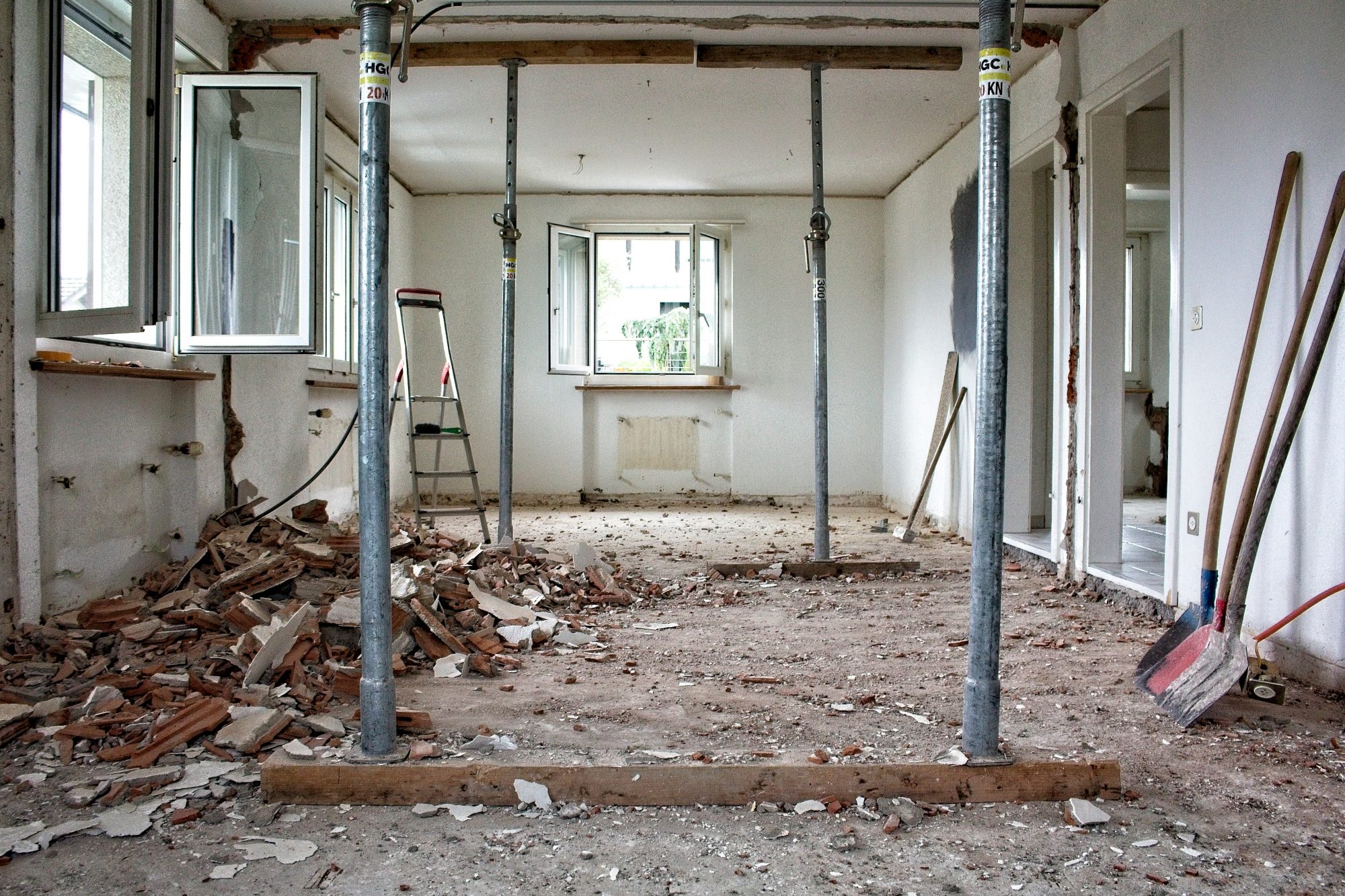
📸 Featured Photo by Stefan Lehner on Unsplash
